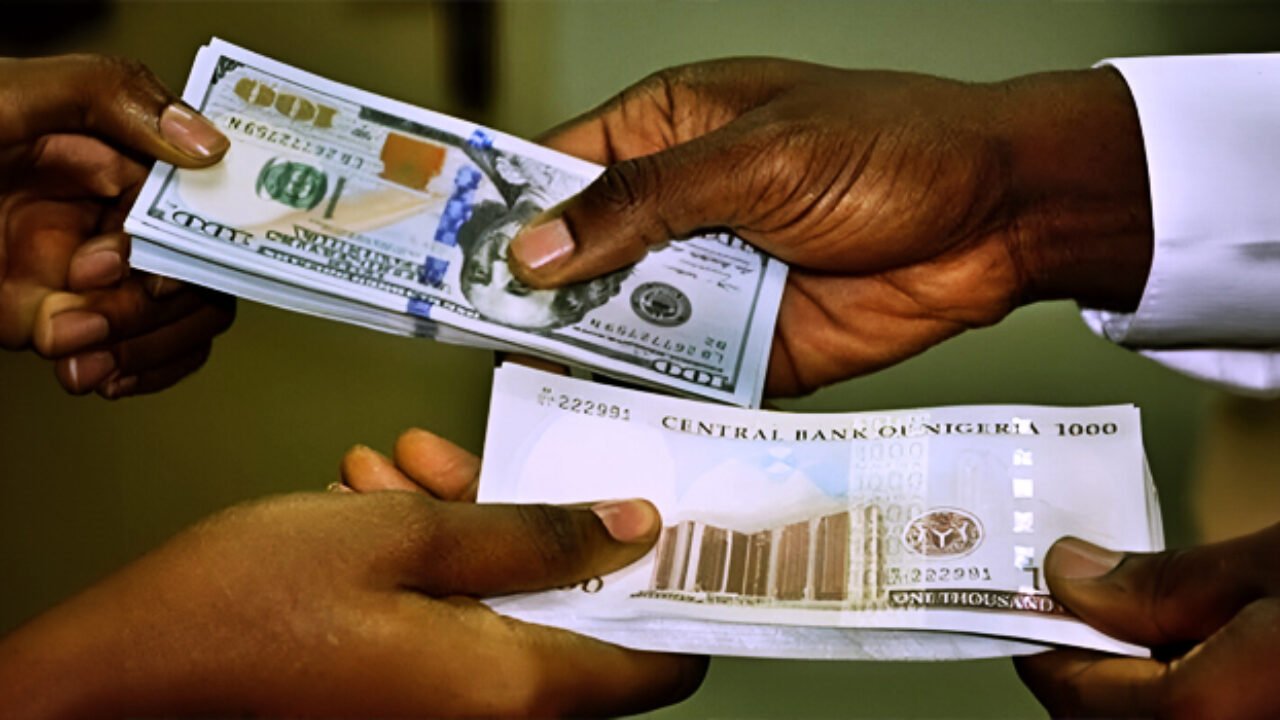

On Wednesday, the administration of President Bola Ahmed Tinubu revealed a detailed account of savings amounting to N15.8 trillion from the fuel subsidy removal and other reforms implemented over the past three years.
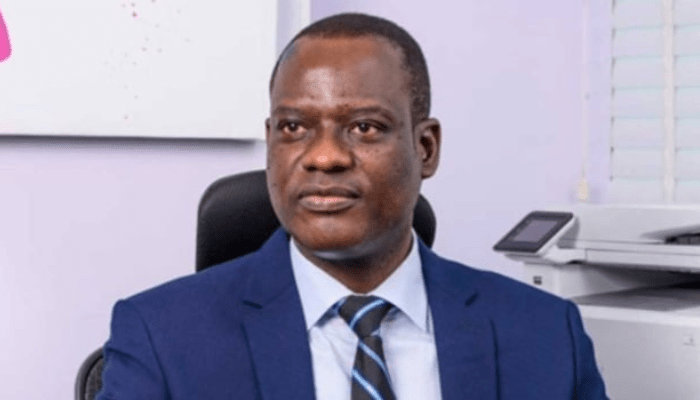
In a press conference on Wednesday, Finance Minister Taiwo Oyedele provided an in-depth breakdown of the reforms’ financial impact.
Oyedele stated that the N15.8 trillion savings were credited to the Federation Account, with the funds from fuel subsidy removal distributed among the federal, state, and local governments.
He reported that the Federal Government received N5.43 trillion, states received N6.52 trillion, and local governments received N3.88 trillion from these savings.
READ ALSO
- Fuel Subsidy Gulped N1.16trn In 2021, Says RMAFC
- N17.5trn NNPC Debt’s Fuel Subsidy In Disguise, Says Oye
- FAAC Disburses N2.257trn As April Revenue, Highest Allocation Since Fuel Subsidy Removal
The finance minister further explained that the reforms generated an additional N3.12 trillion in revenue and facilitated N11.85 trillion in incremental borrowing. Overall, this resulted in approximately N20.4 trillion in additional resources for the Federal Government during the period.
However, Oyedele highlighted that government expenditures during the same period totalled around N30.64 trillion.
“The Federal Government had approximately N20.4 trillion in incremental resources.
“Over the same period, additional expenditures amounted to about N30.64 trillion,” he said. “Subsidy removal did not create a large cash reserve but significantly reduced a major fiscal burden and the need for further borrowing.”
He detailed that of the N30.64 trillion spent, N9.39 trillion was allocated for wage adjustments, N9.37 trillion for external debt servicing, N6.47 trillion for infrastructure projects, and N3.14 trillion for electricity subsidies.